
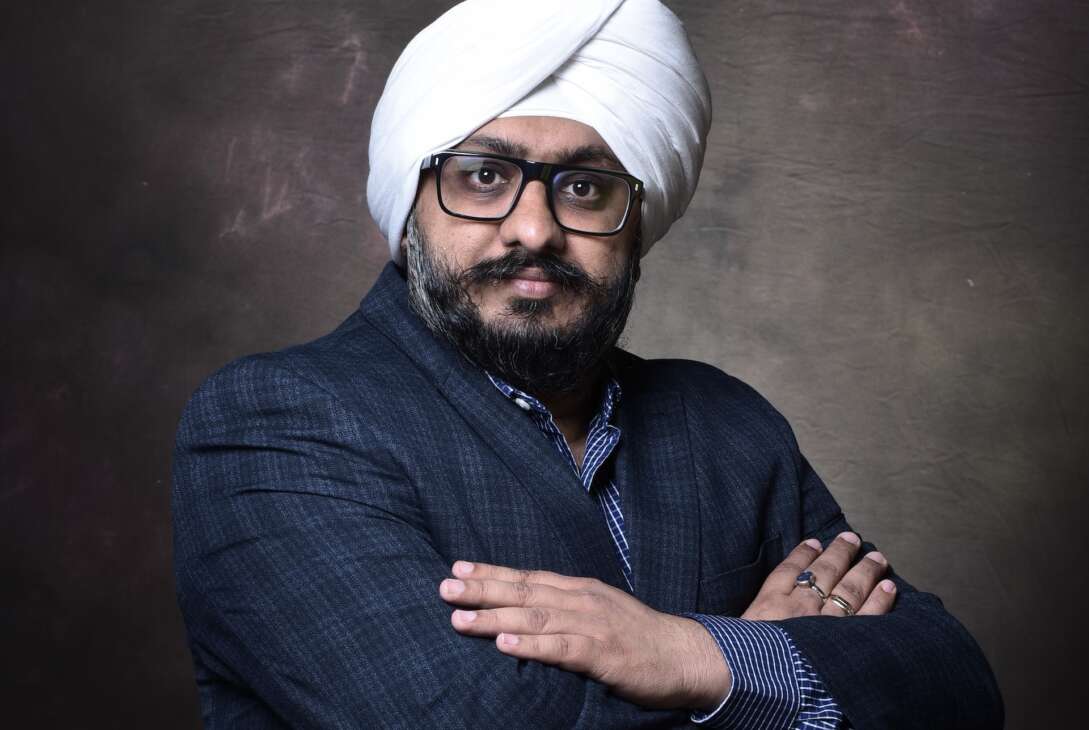
Content consumption has changed significantly. Audiences now want everything – news, entertainment, sports and so on – on their own terms. What does this mean for CIOs in media and entertainment? To find out, CIO Dimension spoke with Harmit Singh Malhotra, Chief Technology Officer of NDTV Profit and a tech veteran with over 20 years of experience in broadcasting.
From leading projects in live news rooms and international sports events to driving advancements in OTT and remote production, Harmit has worked with some of the biggest names in the industry. In this interview, he shares key insights on the industry’s evolution and what lies ahead for CIOs.
You come with over two decades of experience in the broadcast media space, having worked with many of the top brands in the Media industry. Would you like to recall some key moments in this journey?
My journey in broadcast media began in 2003 with Network18, where I was fascinated by the unique opportunities this industry offers to tech leaders. From the very start, I realized there is never a dull moment in this space—it’s a field where creativity and technology converge to create impactful stories and experiences.
During my tenure at Network18, I contributed to several key projects, including the launch of CNBC-Awaaz, IBN-Lokmat, COLORS, and CNBC Bajar. Each of these ventures showcased the power of technology in shaping how audiences consume content.
One of the most exciting projects in my career came in 2013 while working with Star Sports, where we implemented India’s first-ever remote production for international sports events. We wanted to move away from the traditional model of deploying large production crews at global venues. So, we introduced a streamlined workflow: live feeds were transmitted from international venues to a central hub, where commentary was added, and localised broadcasts were produced. This project delivered significant cost savings and maintained the highest production standards, setting a new benchmark for the industry.
Following this, I worked for leading media organisations such as Republic Media Network and Enterr10. A key achievement during this period was spearheading the launch of Dangal Play’s OTT platform, where I oversaw the entire Tech workflow—from content and delivery to user experience design. This project provided great insights into the world of streaming platforms.
Currently, I spearhead the technology operations at NDTV Profit, managing all aspects of technical and delivery from our Mumbai hub. This role allows me to continue exploring the potential of technology in media while adapting to the industry’s changing demands.
Tell us a bit more about your role at NDTV Profit and how you navigated the acquisition of BQPrime and its merger with NDTV Profit.
In my current role at NDTV Profit, I oversee Corporate IT, Broadcast Engineering, and Cybersecurity, ensuring seamless integration across these critical functions. I lead a team responsible for maintaining efficient workflows, real-time content production, and multi-platform content delivery—spanning satellite broadcasting and digital streaming.
A key aspect of my role is managing critical infrastructure, including network systems, security frameworks, and core IT operations, all within a single, integrated team. This ensures cross-functional collaboration, innovation, and agility, allowing us to adapt to evolving industry demands.
During the acquisition, strategic foresight played a crucial role in guiding our technology choices, ensuring compatibility with NDTV’s existing systems. During our transition and expansion, we prioritized proactive planning and seamless system integration, minimizing disruptions and ensuring a smooth operational flow. Close collaboration between teams allowed us to overcome technological challenges, facilitating a smooth and efficient transition post-merger.
As we continue to evolve, our focus remains on leveraging technology, strengthening cybersecurity frameworks, and enhancing operational efficiencies to position NDTV Profit as a leader in business news broadcasting.
I’m really curious about how content consumption and viewing patterns are evolving, especially post-COVID. Digital has clearly become the go-to medium for many. How do you see these trends shaping up?
The COVID-19 pandemic has led to a big transformation in the way we consume media. Digital platforms emerged as the primary source of entertainment and information during this phase. But I think this shift stayed and paved the way for many key trends that continue to shape the media landscape. Here’re a few that I would like to highlight:
Streaming services take centre stage: Channel streaming plays a big role in reaching a global audience. By leveraging the power of channel streaming, we can deliver excellent, personalised experiences to a diverse and expansive audience, ensuring our content remains relevant and impactful in the digital age.
The rise of short-form content: Short-form content has become increasingly popular, especially among younger audiences. Platforms like Instagram Reels and YouTube Shorts have revolutionised content consumption with their bite-sized, engaging videos.
Personalized viewing experiences: Algorithms have become the backbone of personalized viewing experiences. Streaming services and social media platforms use sophisticated algorithms to recommend content based on user preferences.
OTT platforms and Smart TVs: The integration of internet connectivity into televisions has transformed traditional TV viewing. OTT platforms offer vast content that can be accessed directly through smart TVs. This evolution has blurred the lines between conventional TV and digital streaming.
Social Media as a news source: Social media platforms have become crucial news sources, especially for younger generations. Platforms like X, Facebook, etc make it ideal for staying updated on current events. However, this has also underscored the importance of authenticity and trust in news consumption, as misinformation can spread rapidly across these channels.
Interactive and immersive content: Today audiences want more engaging experiences. Interactive and immersive content has thusgained traction. Virtual concerts, online gaming, and live-streaming events offer unique and participatory experiences. The growing popularity of virtual reality (VR) and augmented reality (AR) further enhances these interactive elements, creating a more dynamic media landscape.
That’s quite a lot on the plate for a CIO in the media and entertainment space! What are the opportunities and challenges that you see as a tech leader in this industry today?
Speed and agility are paramount in the digital age. CIOs must prioritize digital-first strategies, ensuring rapid news dissemination across social media platforms. This requires a robust cloud infrastructure to enable real-time content delivery and personalized experiences based on audience preferences and location. Cloud technology, for example, is the cornerstone of our operations. Cloud platforms like AWS and Azure provide the foundation for our entire workflow, from content acquisition and processing to delivery and audience engagement.
One of the key challenges is the complexity of delivering content across multiple platforms and devices whilst maintaining quality and user experience. CIOs must prioritise building scalable infrastructure, including Content Delivery Networks (CDNs). As CDNs distribute content across a network of servers closer to users, it helps in minimizing latency and improving delivery times – making it crucial for modern media organisations.
You mentioned Cloud. Tell us how Cloud is driving some key business use cases for NDTV Profit.
As a media organization, we are transitioning to a cloud-first approach, leveraging cloud platforms for content delivery, ad insertion, and audience targeting. This allows us to personalise content and ad experiences for viewers in different regions, enhancing the viewer experience and improving ad effectiveness.
We are also exploring edge computing, which brings processing power closer to the network’s edge. This enables faster response times and reduced latency, which is crucial for live streaming and interactive content. I believe cloud and edge computing will play an increasingly vital role in shaping the future of media delivery, enabling us to provide personalized content experiences to audiences worldwide.
What technological advancements do you foresee transforming newsrooms and studios in the coming years?
The media landscape is on the verge of a significant transformation. We are quickly moving away from traditional, cable-dependent workflows to IP-based production, which will efficiently transmit high-quality video signals over high-bandwidth networks. This shift will revolutionize our operations, enhancing flexibility and scalability.
AI is another technology that has the potential to change news production, even though concrete use cases are still emerging. From automated content creation and personalized recommendations to streamlining workflows and enhancing audience engagement, Generative AI will play a big role. I think, all these advancements in technology will help us build a more dynamic and responsive media industry.